
The revolution will be harmonised
How community music movements are reshaping society

In times of profound systemic crisis, communities have always turned to music not just for comfort, but as a force for transformation. As I've explored through my work with SPOKE and this newsletter, music has an unmatched ability to metabolise collective emotion and catalyse change. Today, as we witness unprecedented global upheaval, grassroots musical movements are emerging as powerful forces for social transformation, proving that revolution often begins with a song.
In London's estates, I've witnessed how grassroots music collectives are challenging gentrification and building community power. Tomorrow's Warriors, born in Deptford and now based in Southbank Centre, has evolved from a jazz education program into a powerful movement that's trained generations of young Black British musicians, creating spaces for cultural resistance and community building. In South London, Kinetika Bloco combines music, carnival, and social justice, bringing young people together to create new forms of artistic expression while addressing systemic inequalities.
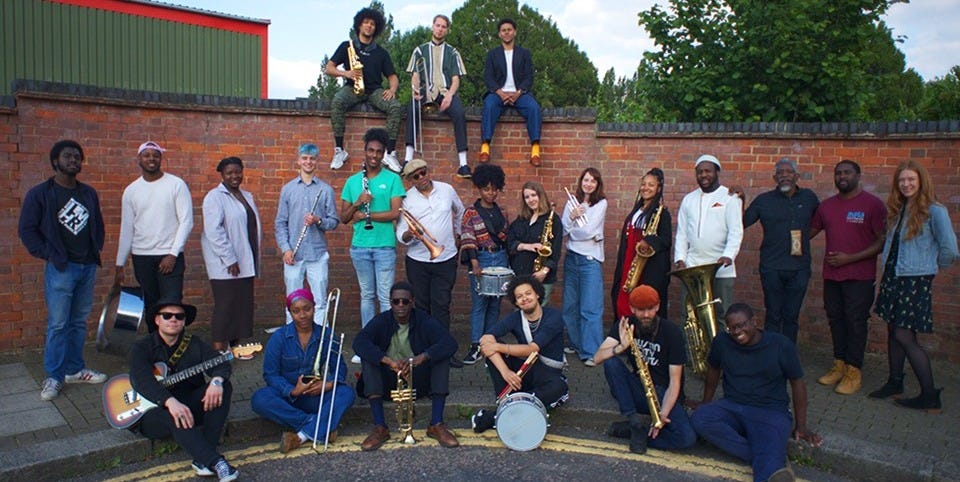
At May Project Gardens in Merton, they're pioneering what they call "Hip Hop Gardens," using music and food growing to tackle both mental health and environmental justice. Their work shows how music movements can address multiple systemic issues simultaneously, creating spaces where young people can express themselves while learning about sustainability and community organising.
In Rio's favelas, AfroReggae has transformed areas once dominated by drug trafficking into cultural hubs. Founded in Vigário Geral after a devastating massacre in 1993, they've built a network of music schools and cultural centres that offer alternatives to violence. Their Música para a Vida (Music for Life) programme has reached over 70,000 young people, with documented success in reducing involvement in drug trafficking while creating new economic opportunities through music.
In Palestine, despite the ongoing genocide and decades of occupation, music continues to be a powerful force for survival and resistance. Al-Kamandjâti, founded by Ramzi Aburedwan who grew up in Al-Amari refugee camp, has established music schools across Palestine and Lebanon. "Music is not just about entertainment here," Ramzi explains, "it's about existing, about keeping our culture alive, about giving our children a way to express their trauma and their hopes."
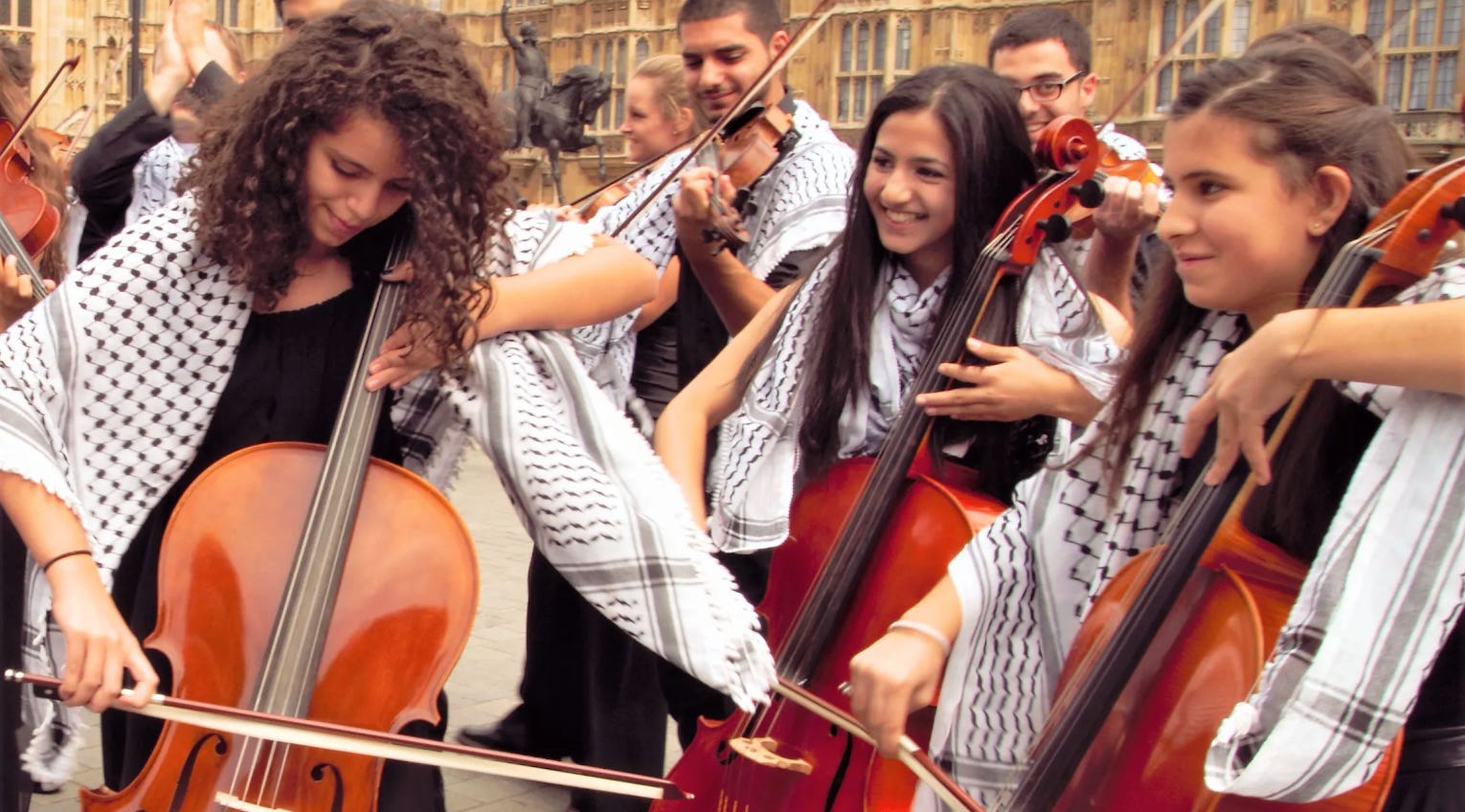
The Palestine Youth Orchestra, operating against incredible odds, brings together young musicians from across fragmented territories and the diaspora. Even during the current intensified attacks, they continue their work through digital platforms, with their recent "Music for Gaza" series reaching millions globally. As young violinist Mariam Tamari shares, "When we play together, we assert our right to exist, to create beauty even in the darkest times."
These aren't isolated examples. Across the globe, communities are using music to challenge systemic oppression and build alternative futures. In Thailand, Music for Life bridges divides between urban and rural communities through traditional music education.
The technology that often isolates us is being reclaimed for connection in remarkable ways. OneBeat, a global music fellowship, brings together musicians from conflict zones and divided communities to create new works addressing social issues. Their recent collaboration between artists from Kashmir, Congo, and Colombia produced not just powerful music but also tangible solidarity networks supporting grassroots movements in each region.
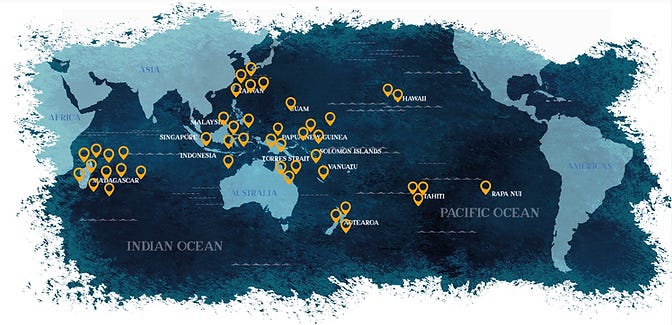
Small Island Big Song, an organisation spanning the Pacific and Indian Oceans, documents and connects Indigenous musicians responding to the climate crisis. Their work demonstrates how traditional music carries ecological knowledge that is vital for our survival. "Our ancestral songs contain maps for living sustainably with the ocean," says Taiwanese vocalist Putad Pihay, "when we lose these songs, we lose crucial wisdom about caring for our planet."
Yet these movements face significant challenges. Funding remains scarce, and gentrification threatens the physical spaces where communities gather. The Roundhouse in Camden has documented how 40% of grassroots music venues in London have closed in the past decade, largely due to property development. More insidiously, there's constant pressure from commercial interests to co-opt and commodify these grassroots initiatives.
I've seen this firsthand in the mental health space through our work at SPOKE - how genuine community solutions often get watered down when “big money, " i.e. shareholder interests over impact, gets involved. However, the resilience of these movements suggests they're here to stay. As our world grapples with increasing polarisation and inequality, community music movements offer a powerful model for building solidarity and creating change.
So, you may wonder what you can do to support or get involved. Below, I’ve listed the best way to start:
Start local
Map musical initiatives in your area and find ways to support them (I’ve made a list at the bottom of this page, but I can assure you there are many more I’ve never heard of). Try to focus as locally as possible to you.
Offer your skills (musical or not) to the project.
Support local artists addressing social justice through their work (even just paying them for their gigs or merchandise)
Build connections
Create networks between different musical communities
Use social media mindfully to amplify grassroots initiatives
Connect with international music solidarity movements
Take action
Campaign for funding and spaces for community music programmes
Challenge the over-commercialisation of local music spaces
Support campaigns protecting cultural spaces from gentrification
Donate instruments or equipment to community projects
Remember, music has always been more than entertainment; it's a tool for connection, expression, and transformation. In a world that often feels increasingly fragmented, these movements offer hope that peace and connection, both musical and social, is still possible.
The revolution will indeed be harmonised. It's already happening in community centres, street corners, and in makeshift studios across the globe. The question isn't whether music can change society, but how we can support and amplify these movements already reshaping our world.
Global organisations to learn about and support:
Europe:
Musicians Without Borders (Netherlands) - www.musicianswithoutborders.org
In Place of War (UK) - www.inplaceofwar.net
Heart n Soul (UK) - www.heartnsoul.co.uk
More Music (UK) - www.moremusic.org.uk
The Mitrovica Rock School (Kosovo) - www.mitrovicarockschool.org
Americas:
Playing For Change Foundation - www.playingforchange.org
El Sistema USA - www.elsistemausa.org
Afro Reggae (Brazil) - www.afroreggae.org
Carnegie Hall's Musical Connections - www.carnegiehall.org/Education/Social-Impact
Middle East & North Africa:
Al-Kamandjâti (Palestine) - www.alkamandjati.com
Palestine Youth Orchestra - www.palmusic.org.uk
Heartbeat (Palestine-Israel) - www.heartbeat.fm
Action for Hope (Lebanon/Syria) - www.act4hope.org
Africa:
Music Crossroads International (Multiple Countries) - www.music-crossroads.net
Amani Festival (DRC) - www.amanifestival.com
Music In Africa Foundation (Pan-African) - www.musicinafrica.net
Bayimba Cultural Foundation (Uganda) - www.bayimba.org
Asia:
Music For Life (Thailand) - www.musicforlife.org
Songlines (Afghanistan) - www.songlines.org.uk
Cambodian Living Arts - www.cambodianlivingarts.org
The Music Project (Sri Lanka) - www.themusicproject.org.lk
Oceania:
Big hART (Australia) - www.bighart.org
The Song Room (Australia) - www.songroom.org.au
Sistema Aotearoa (New Zealand) - www.sistemaaotearoa.org.nz
Small Island Big Song (Pacific Islands) - www.smallislandbigsong.com
Global Networks:
OneBeat - www.1beat.org
WOMEX - www.womex.com
Freemuse - www.freemuse.org
International Music Council - www.imc-cim.org
Love this Ariana, poweful!