Especially now, there is song
Motherhood, big changes, and the work of hope

It has been a few months since I last wrote here, and I’m very glad to be returning. In January, I gave birth to my beautiful son and, as many parents will know, life changed overnight. Work paused, writing paused, and I entered a season of presence I’ll always be grateful for. Any tips for maintaining this balance between work and baby, I’d love to hear in the comments or via direct reply!
During this private capsule of new motherhood, I have also watched the world shift again, and not for the better. As someone of half-Iranian heritage with family in Iran, the joy of these months has sat alongside heartbreak, fear and anger. I’ll write more on that another time.
What I have felt most strongly in this period is something I suspect many people carry in their own ways: the strange coexistence of gratitude and grief, joy and fatigue, hope and heaviness. It is possible to love what is here and still mourn what has changed, to care deeply about the world and still feel overwhelmed by it, to know you are blessed and still feel lost some days.
In the middle of all of this, I have kept returning to music. Not in a sentimental sense, but in a deeper human sense. Music accompanied us throughout our entire birth journey, from songs that helped my husband connect with our baby during pregnancy (learnt through Te Kaha, an incredible Māori father birthkeeper), to labour and now the songs we sing to him, as we watch him light up.
Music has held communities together in difficult times, helped people process sorrow, carried resistance movements, soothed children, marked celebrations, created belonging between strangers and given language to feelings that ordinary speech cannot quite hold.
I see it as social and emotional infrastructure, shaping how we feel, remember, relate to one another, and what we believe is possible. Those things matter immensely because how we feel shapes culture, and culture is often changed long before policy catches up.
Over the weekend, a post went viral in which Kehlani shared that many of her mental health struggles stem from witnessing the genocide in Gaza. I think many people feel some version of this. What we witness collectively shapes us psychologically. Grief, helplessness and moral injury do not disappear simply because we carry on with daily life. Rather than suppressing that pain, perhaps we can allow it to deepen our compassion and sharpen our sense of purpose.
That is part of why, at the end of last year, I quietly built something behind the scenes, along with the brilliant team at Drowned in Sound and Tell Studios.
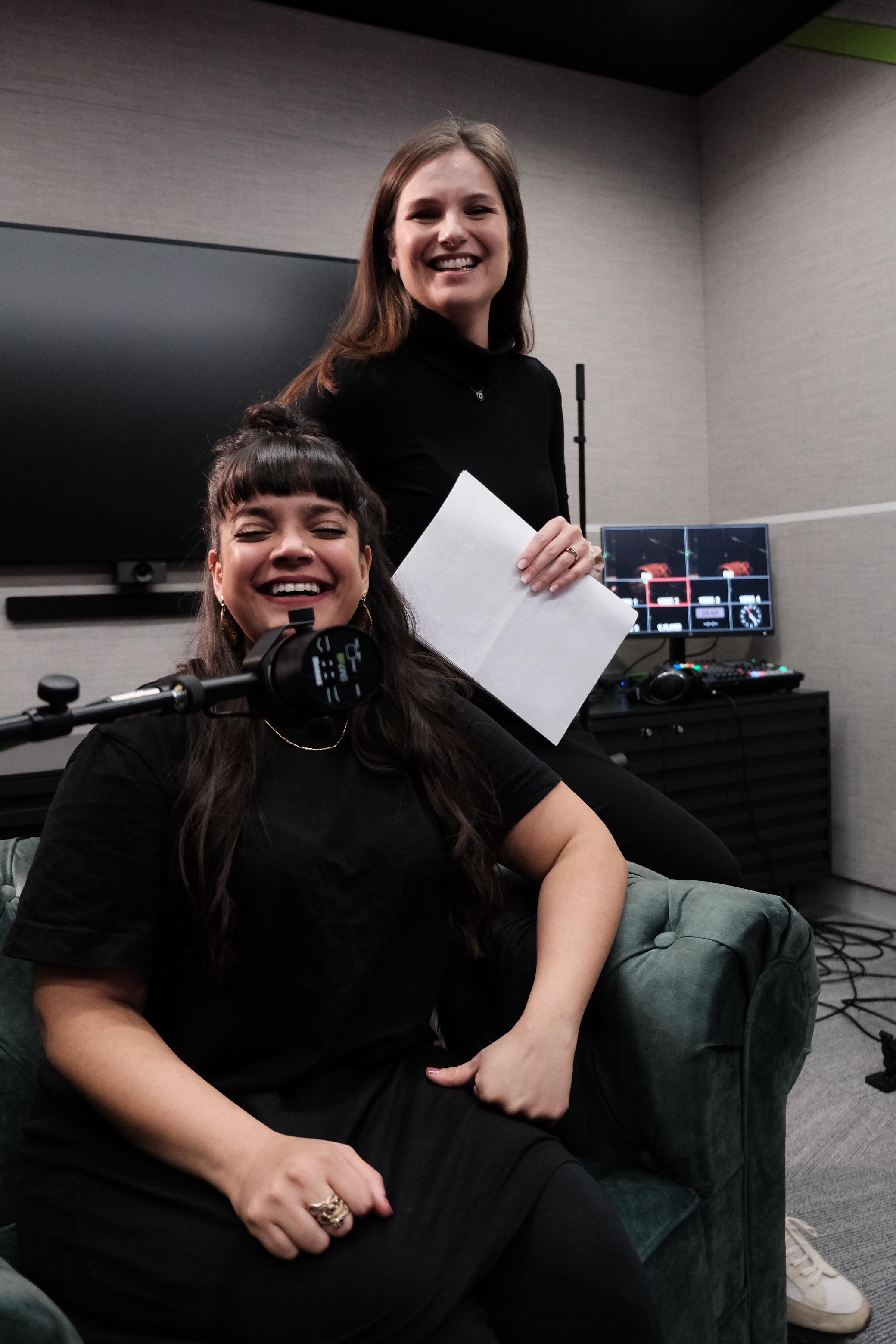
Tomorrow, we are releasing the first episode of a new podcast titled Sounds Like Change.
Sounds Like Change is an attempt to create something many of us need right now: a thoughtful companion for difficult times, and a reminder that hope can be cultivated. Through conversations with artists, thinkers and changemakers, we explore how music can nourish healing, courage and meaningful change.
In season one, launching tomorrow, you’ll meet Shareefa Energy, Mohammed Usrof, Karishma Patel, Helena Wadia, Sean Adams, and Shocka Artist. Each guest is at the forefront of making change in the world, and each has their own unique connection with music.
If you’d like to start listening in, you can find “Sounds Like Change” wherever you get your podcasts or click here for all links. I could not be more excited and honoured to share this with the world.
Thank you for being here; it means more than you know, and there is much more to come.
And for now, I’ll leave you with the question I ask every guest on Sounds Like Change:
What song most faithfully captures the future you want to help build, and why?
Please do hit reply or drop your thoughts in the comments - I’d love to hear from you.
With love,
Ariana